Oral Surgery
Surgical Dental Care to Restore and Protect Your Oral Health
Oral Surgery for Complex Dental Needs
Oral surgery may be recommended when a dental concern cannot be effectively managed with routine restorative or preventive treatment alone. Surgical dental procedures can address severely damaged teeth, missing teeth, impacted wisdom teeth, gum and bone concerns, and conditions that affect the long-term health and function of your smile.
At Deer Lake Dental, our dentists evaluate your teeth, gums, jawbone, symptoms, and overall oral health before recommending a surgical procedure. Treatment planning depends on the condition being addressed and may include dental imaging to help determine an appropriate approach for your individual needs.
Remove Severely Damaged or Problematic Teeth
Prepare Your Mouth for Dental Restorations
Restore Supporting Gum and Bone Tissue
Address Complex Oral Health Concerns
Oral Surgery Procedures at Deer Lake Dental
The type of oral surgery you may need depends on your diagnosis, oral health, and treatment goals. Deer Lake Dental provides a range of surgical and restorative procedures, from tooth removal and implant placement to treatments involving the gums and supporting bone.
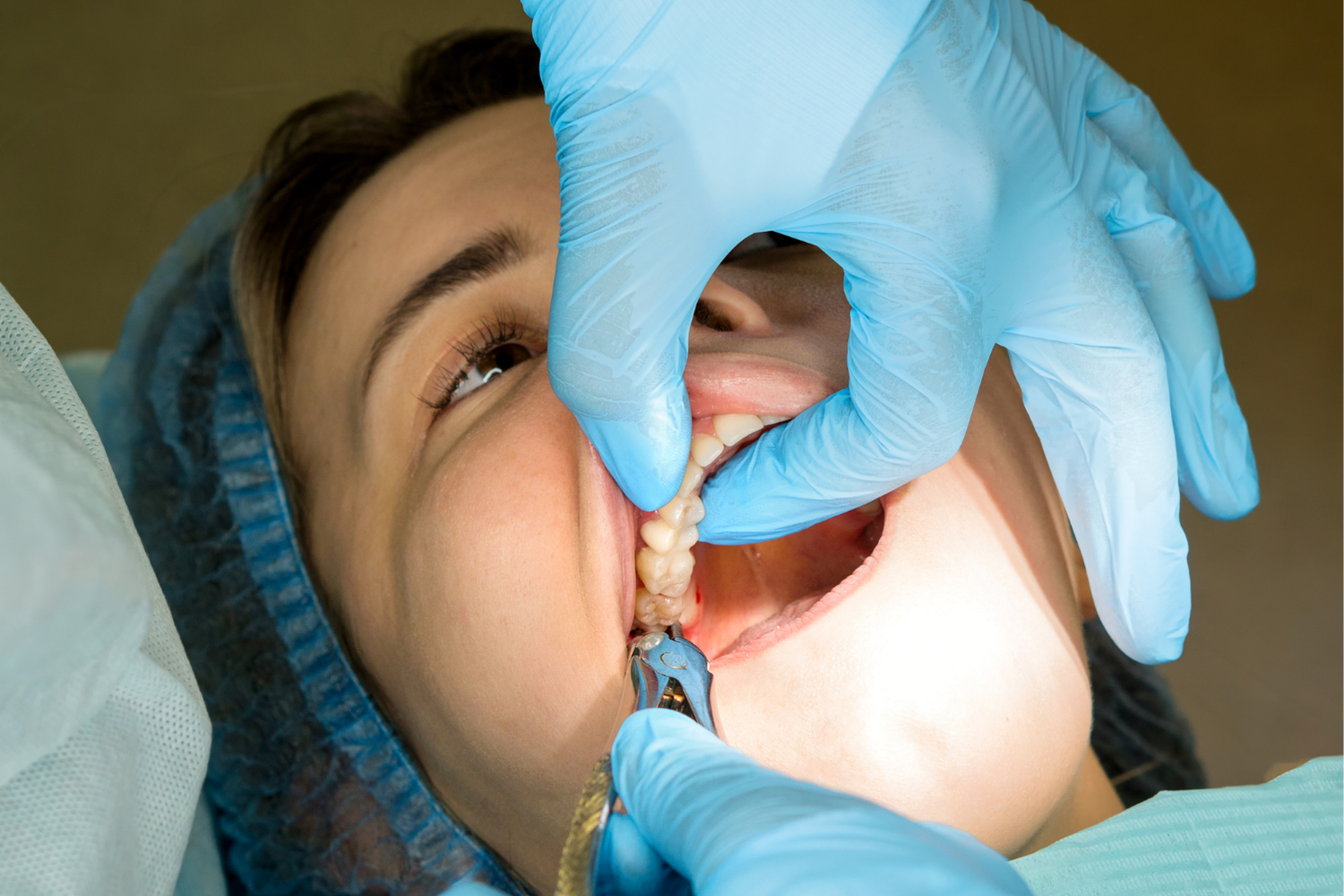
Tooth Extractions
Tooth extractions remove severely damaged or infected teeth that cannot be predictably restored.

Dental Implant Surgery
Dental implant surgery places implants to support individual or multiple replacement teeth.
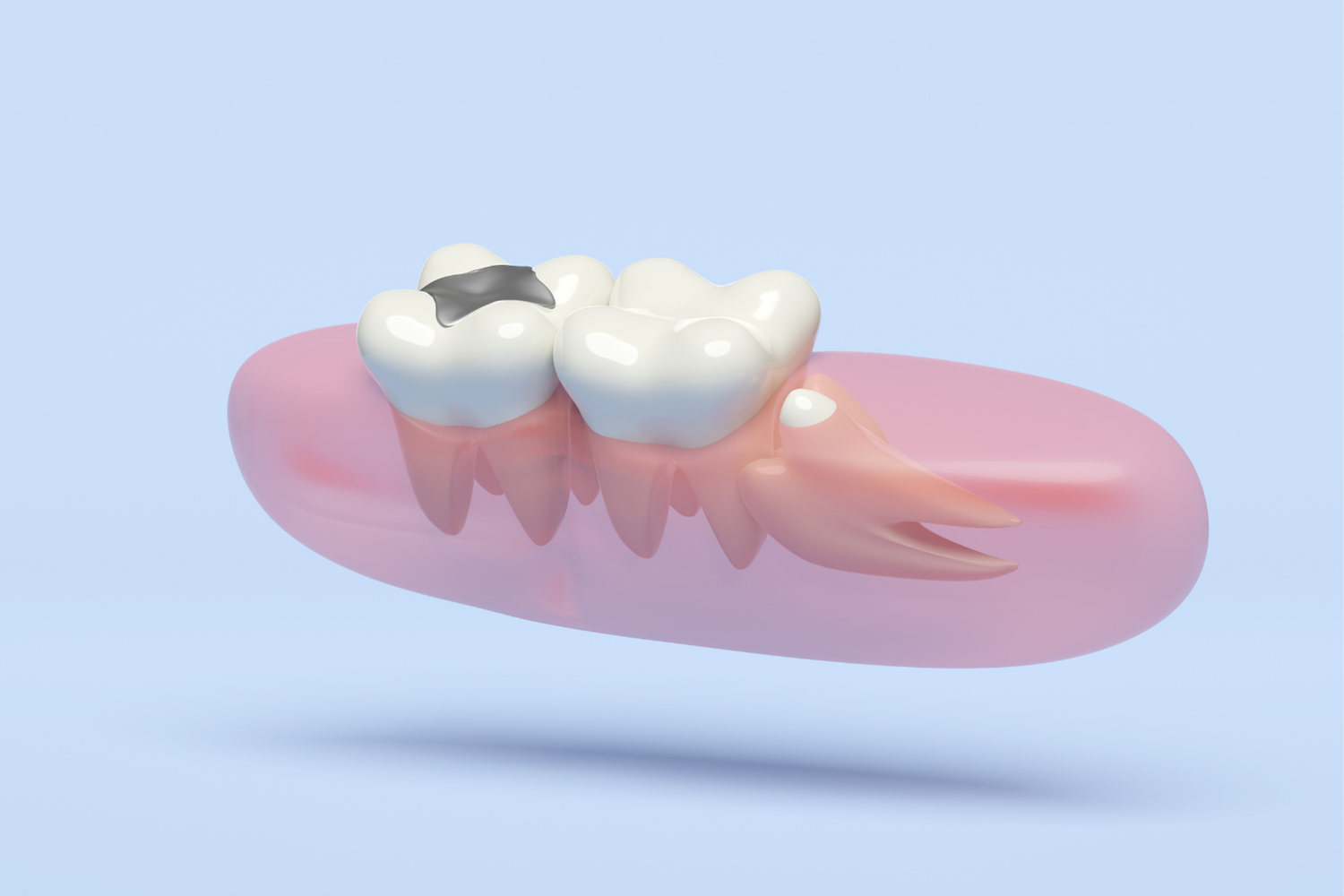
Wisdom Teeth Removal
Wisdom teeth removal addresses impacted, painful, or problematic teeth when removal is recommended.
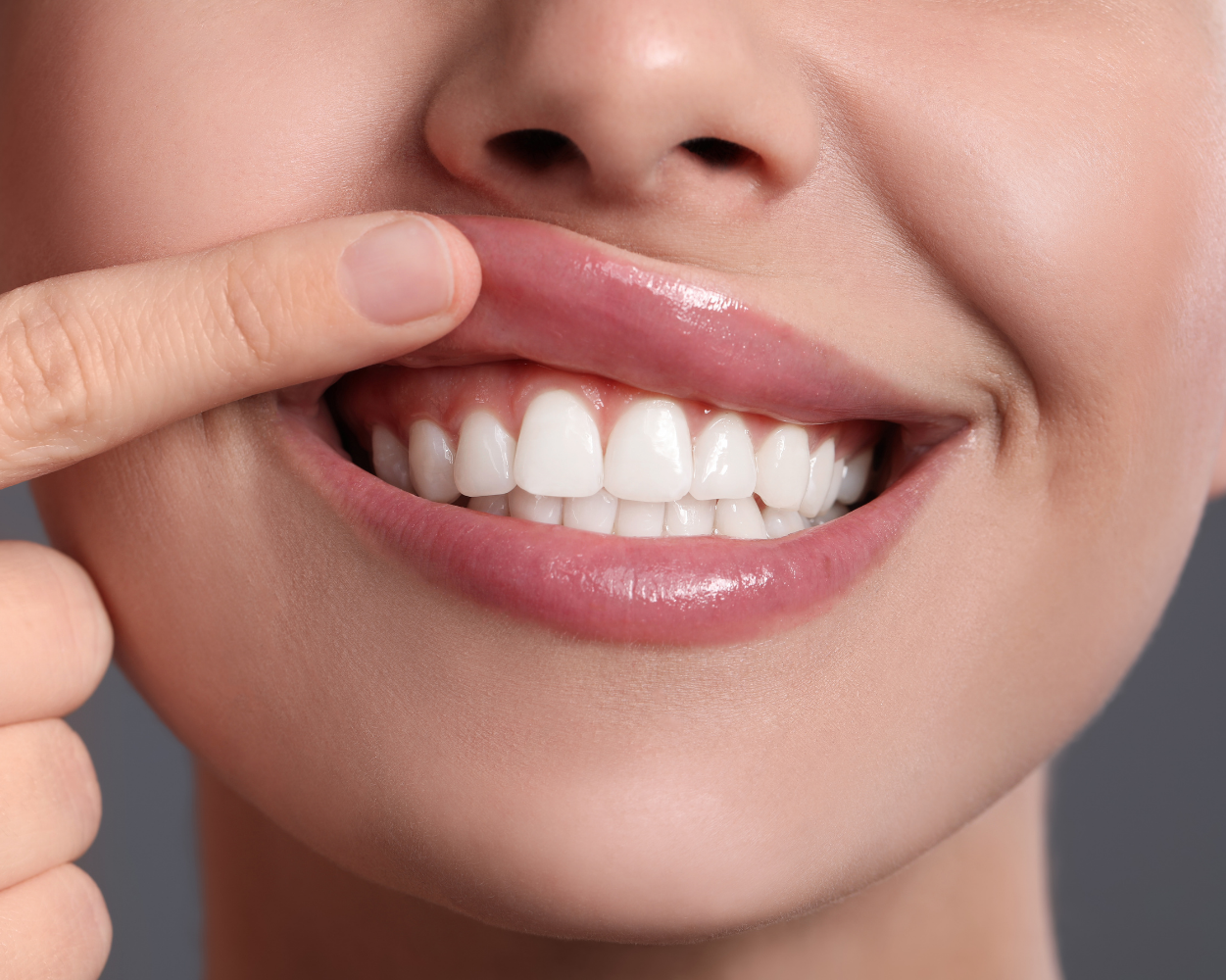
Crown Lengthening
Crown lengthening exposes more tooth structure to support restorative treatment when needed.
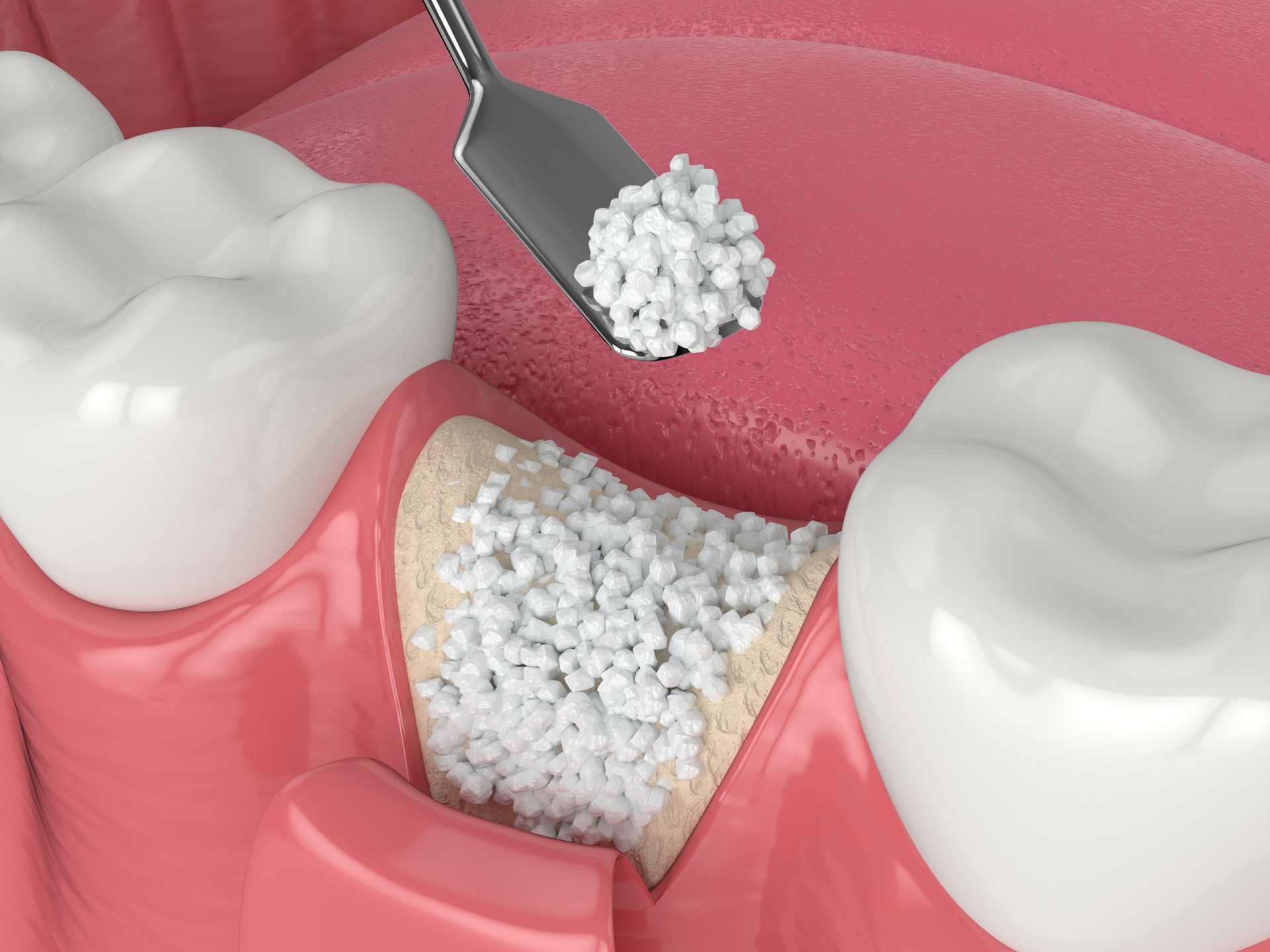
Gum and Bone Grafts
Gum and bone grafts help restore the lost tissue and support healthy and functional oral structures.

Full Mouth Reconstruction
Full mouth reconstruction combines treatments to restore extensive dental and functional concerns.
Frequently Asked Questions
Learn more about oral surgery, preparation, recovery, and when surgical dental treatment may be recommended.
How do I know if I need oral surgery?
Oral surgery may be recommended for concerns such as teeth that cannot be restored, impacted wisdom teeth, missing teeth requiring implants, significant gum recession, or inadequate bone for planned treatment. Your dentist will first examine the area and may use dental imaging to determine whether surgery or another treatment approach is appropriate.
Is oral surgery painful?
Appropriate anesthesia is used during oral surgical procedures to help manage discomfort. Some soreness, swelling, tenderness, or bruising can occur afterward depending on the procedure performed. Your dental team will explain what to expect and provide post-operative instructions to help you manage your recovery and protect the surgical area.
How should I prepare for oral surgery?
Preparation depends on the procedure and your individual health. Your dentist may review your medical history, medications, dental imaging, and treatment plan before surgery. Follow any instructions you receive regarding eating, medications, transportation, and oral hygiene, and make sure your dental team knows about any changes to your health before treatment.
How long does it take to recover from oral surgery?
Recovery time varies considerably depending on the procedure. A straightforward extraction may have a different recovery period than implant surgery, bone grafting, or another more involved procedure. Your overall health and healing response also affect recovery. Your dentist will provide instructions and explain when you should return for follow-up care.
What can I eat after oral surgery?
Patients are often advised to choose softer foods and avoid putting unnecessary pressure on the surgical area during early healing. Specific recommendations depend on the type and location of your procedure. Follow the instructions provided by your dental team, including guidance about foods, beverages, cleaning the area, and gradually returning to your normal diet.
When should I contact the dentist after oral surgery?
Contact your dental team if you experience symptoms that are severe, unexpectedly worsen, or differ from the recovery instructions you received. Concerns can include persistent bleeding, increasing swelling, severe pain, fever, drainage, or other unusual changes. If you have an urgent dental concern, call Deer Lake Dental so our team can triage your symptoms and determine the appropriate next step.