Dental Implants in Deer Lake
Replace Missing Teeth With a Stable, Long-Term Treatment Option
Replace Missing Teeth With Dental Implants
Missing teeth can affect your ability to chew comfortably, speak clearly, and feel confident about your smile. Dental implants are designed to replace missing tooth roots and provide a stable foundation for replacement teeth.
Replace One or Multiple Missing Teeth
Support Stable Replacement Teeth
Restore Comfortable Biting and Chewing
Create a Natural-Looking Smile
Request a Dental Implant Consultation
Thank you so much for contacting our dental clinic. While we strive to respond to all inquiries right away, we may be away from the desk helping a patient or out of the office. We will do our best to reach out to you shortly.
Please note, if this is an emergency, it would be best to call our clinic as this is the fastest way to reach us (709) 635-4565.
Please try again later.
Explore Your Dental Implant Options
Dental implants can be used in different ways depending on how many teeth are missing, their location, and the condition of your remaining teeth and supporting bone. Our dentists can evaluate your smile and recommend an implant treatment approach based on your individual needs.
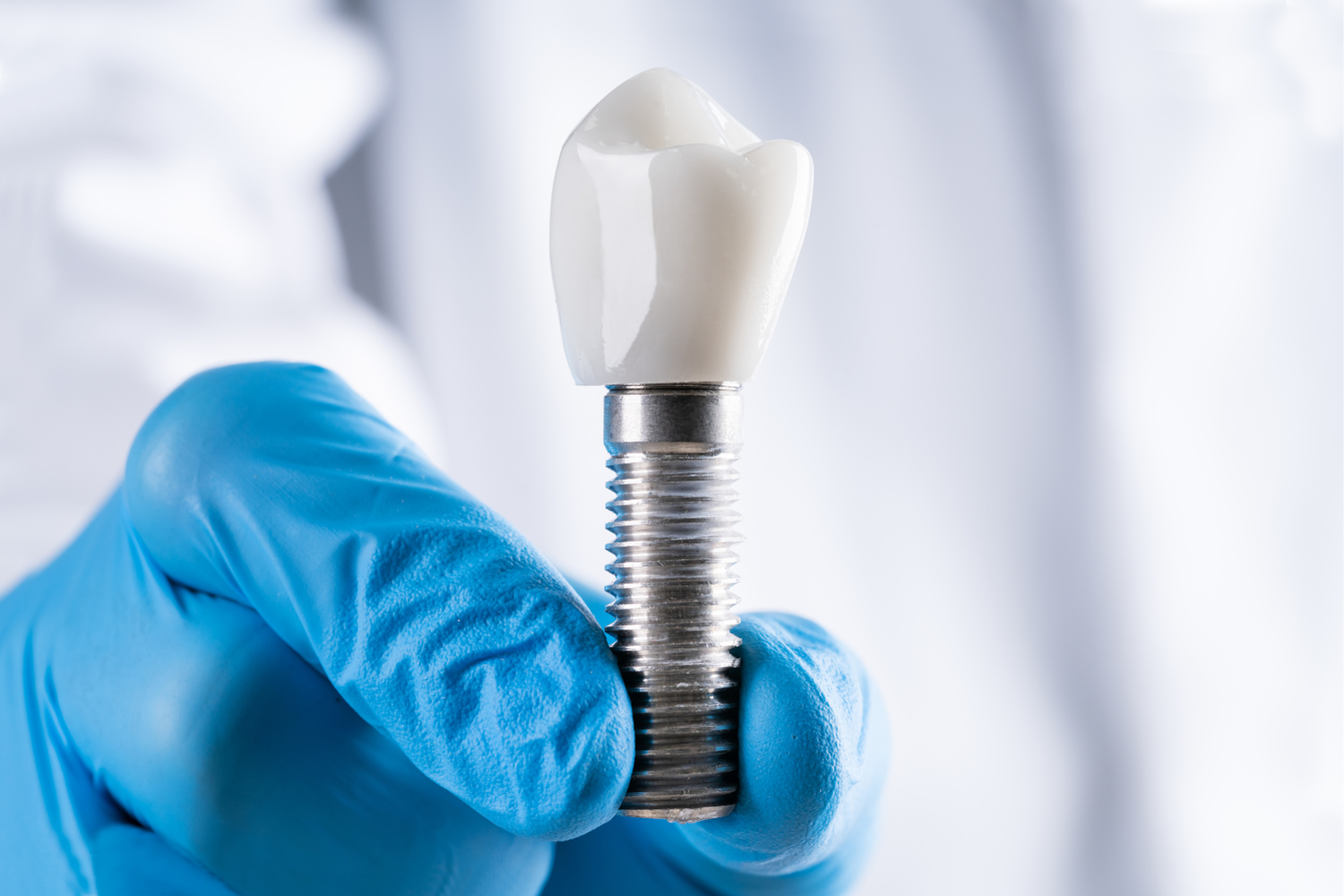
Single Tooth Implants
Replace an individual missing tooth with an implant-supported restoration without relying on neighbouring teeth for support.
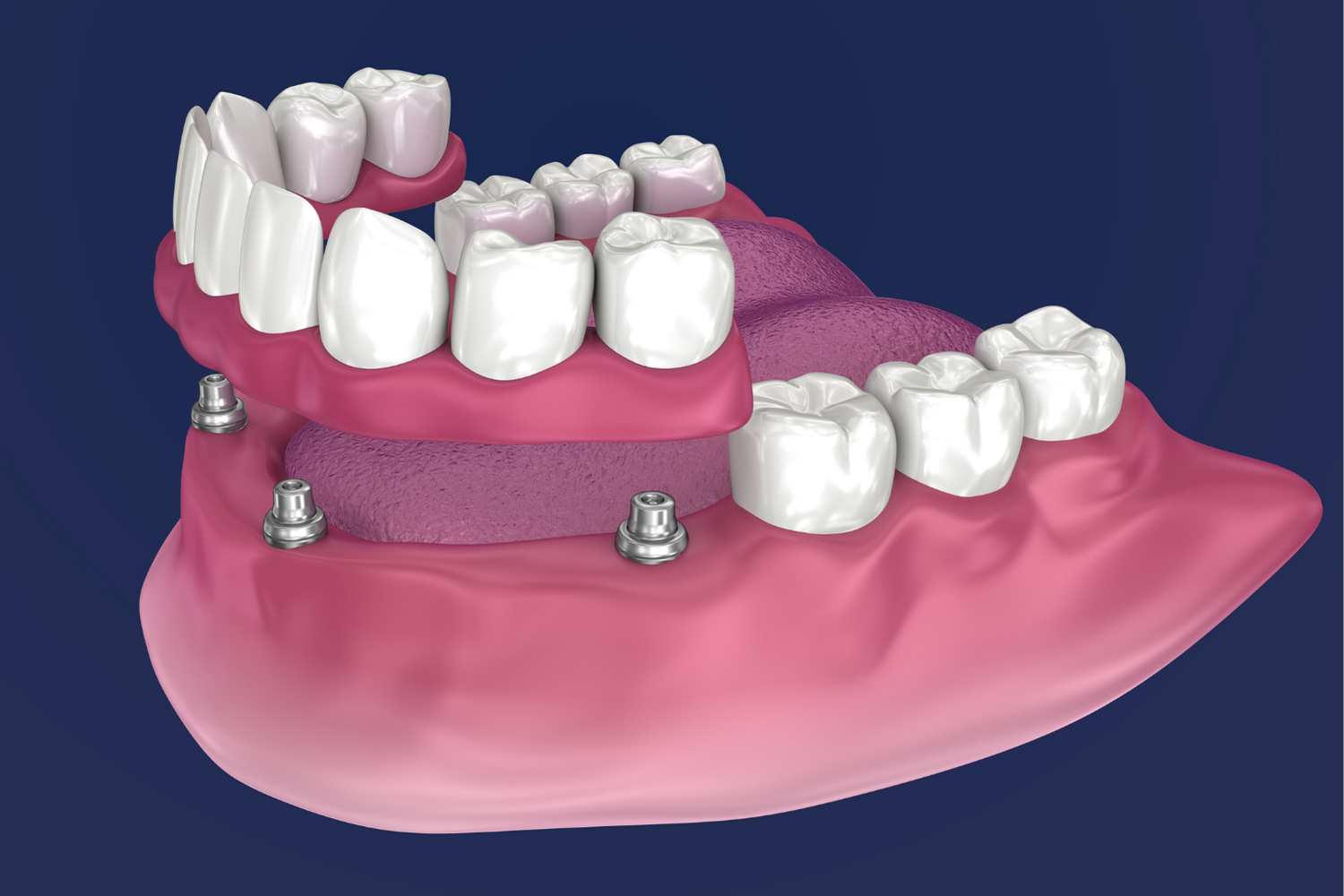
All-on-X Implants
Replace multiple missing teeth using a full-arch restoration supported by strategically placed dental implants.
Dental Implant Surgery
Places an implant into the jawbone to create a stable foundation for the planned tooth restoration.

Are Dental Implants Right for You?
Dental implant candidacy depends on more than the number of teeth you are missing. Healthy gums, adequate supporting bone, general health, oral hygiene, smoking or tobacco use, and other individual factors can influence treatment planning and healing. A clinical examination and appropriate dental imaging are needed before determining whether implant treatment is suitable.
The implant process can involve several stages and may take several months as the tissues heal and the implant integrates with the surrounding bone. Once the appropriate healing has occurred, the implant can support the planned replacement tooth or restoration. Your dentist will explain your recommended treatment sequence and expected timeline based on your individual case.
What to Expect From the Dental Implant Process
Dental implant treatment is completed in stages, and the exact process can vary depending on your oral health, the number of teeth being replaced, and the type of restoration planned. Your dentist will explain the recommended sequence before treatment begins.
The process generally starts with an examination and appropriate dental imaging to assess your teeth, gums, and supporting bone. If implant treatment is suitable, the implant is surgically placed into the jawbone. A healing period is typically required to allow the implant to integrate with the surrounding bone.
Once appropriate healing has occurred, the implant can be restored with the planned replacement tooth or restoration. The entire process may take several months depending on your individual treatment plan, healing, and whether additional procedures are required.
Frequently Asked Questions
Learn more about dental implants, candidacy, treatment, and replacing missing teeth.
Am I a good candidate for dental implants?
Dental implants may be an option if you have one or more missing teeth, healthy gums, sufficient supporting bone, and suitable overall health. Your dentist will also consider factors that may affect healing, including certain medical conditions and tobacco use. An examination and dental imaging are needed to determine your individual candidacy.
How long does the dental implant process take?
Dental implant treatment commonly takes place over several stages. After an implant is placed, the surrounding bone generally needs time to heal and integrate with it before the final restoration is completed. This process can take several months, although the exact timeline depends on your oral health, healing, and treatment requirements.
Is dental implant surgery painful?
Local anesthesia is used during implant surgery to help manage discomfort while the implant is being placed. Some soreness, swelling, or tenderness can occur during the healing period afterward. The experience varies between patients and procedures, so your dental team will provide instructions for managing your recovery based on your treatment.
Can I get a dental implant if I have bone loss?
Bone quantity and quality are important considerations when planning dental implants. Some patients with bone loss may require additional treatment before or during implant placement, while implant treatment may not be appropriate in every situation. Dental imaging allows your dentist to evaluate the available bone and discuss suitable treatment options.
How do I care for dental implants?
Implants and the restorations they support require consistent oral hygiene and ongoing professional care. Brushing, cleaning around the implant as instructed, and attending regular dental examinations are important for maintaining the surrounding gums and tissues. Your dental team can recommend cleaning techniques based on the type of implant restoration you have.